The two confirmed modes
Official developer material names Story Mode and Action Mode. These are the only mode names this guide treats as confirmed. Action Mode is presented for players already comfortable with action games, while Story Mode offers the alternative for someone who wants a different challenge starting point. No third named difficulty is added here because the source does not provide one.
Mode names indicate audience, not exact numerical changes. The interview does not publish enemy health multipliers, damage scaling, timing-window sizes, checkpoint frequency, or a full table of differences. Describing one mode as a precise percentage harder would therefore be false precision. The release build and its own interface must control those details.
A first-time player does not lose anything by beginning with the mode that supports learning. Parry, Deflect, Issen, soul absorption, and Oni Armament already create several decisions in each exchange. Comfort with those relationships is more important than choosing a label for prestige before seeing how the game explains them.
Who should start with Story Mode
Story Mode is the sensible first choice for someone who wants the setting and characters to lead the experience, is new to timing-focused action, or needs room to read enemy cues. That recommendation is practical rather than a promise about hidden settings. Capcom has confirmed the mode's existence but has not published every mechanical adjustment behind it.
Use the early encounters to learn one defensive technique at a time. Recognize an attack, test Parry, then compare Deflect while watching stamina. Only add Issen after the cue itself is familiar. A lower-pressure environment can make the feedback easier to understand, and that understanding transfers better than forcing random inputs through a difficult exchange.
Story Mode should not be described as skipping combat or playing the game automatically. The checked material does not say that. It remains a mode inside a swordplay action game. Until Capcom exposes the final options, the honest expectation is a more approachable route, not a guaranteed list of assists.
Who should start with Action Mode
The developers position Action Mode for experienced action players. Choose it if you already enjoy reading fast cues, making deliberate defensive choices, and retrying a demanding encounter to improve execution. Ganryu in the demo offers a useful preview of that loop through Parry opportunities, stamina pressure from Deflect, and the conversion into Issen Break.
Experience should still be measured against this game's vocabulary. Skill in another title does not automatically reveal Ganryu's timing, Oni resource decisions, or later abilities. Read the prompts, verify the displayed control layout, and allow the first run to be observation. Action Mode is a challenge choice, not permission to ignore the tutorial.
The source does not say that Action Mode is the only authentic experience or that it changes story content. This site will not attach status claims to a player preference. The useful question is whether the mode gives enough pressure to make the combat decisions engaging without preventing the player from learning why an attempt failed.
What the Action Guide confirms
Official developer material says an Action Guide can tune the challenge. That establishes an assistance layer beyond simply choosing Story or Action Mode. It does not, however, provide a complete English list of switches or disclose the exact effect of every setting. A screenshot or final menu will be needed before this page can document individual options accurately.
Treat the Action Guide as a reason to check the interface rather than as an invisible promise. If a specific mechanic is causing repeated failure, open the available guidance and read what the current build offers. Assistance that targets the actual problem is more useful than changing several unknown variables and then being unable to tell what helped.
The team also describes Oni Armament selection slowing the action. That design gives the player time to choose a supernatural tool without making the selection itself a reflex test. Slowed selection is a confirmed usability feature; it should not be expanded into a claim that all menus pause the game or that the player is invulnerable while choosing.
Build a demo practice plan
The free demo is the safest place to test your preferred challenge before buying. Use one pass for orientation and read every combat prompt. On another, pick a single enemy cue and practice Parry. Then repeat with Deflect while monitoring stamina. This isolates the techniques and shows whether the difficulty comes from cue recognition, timing, or trying to manage too many actions at once.
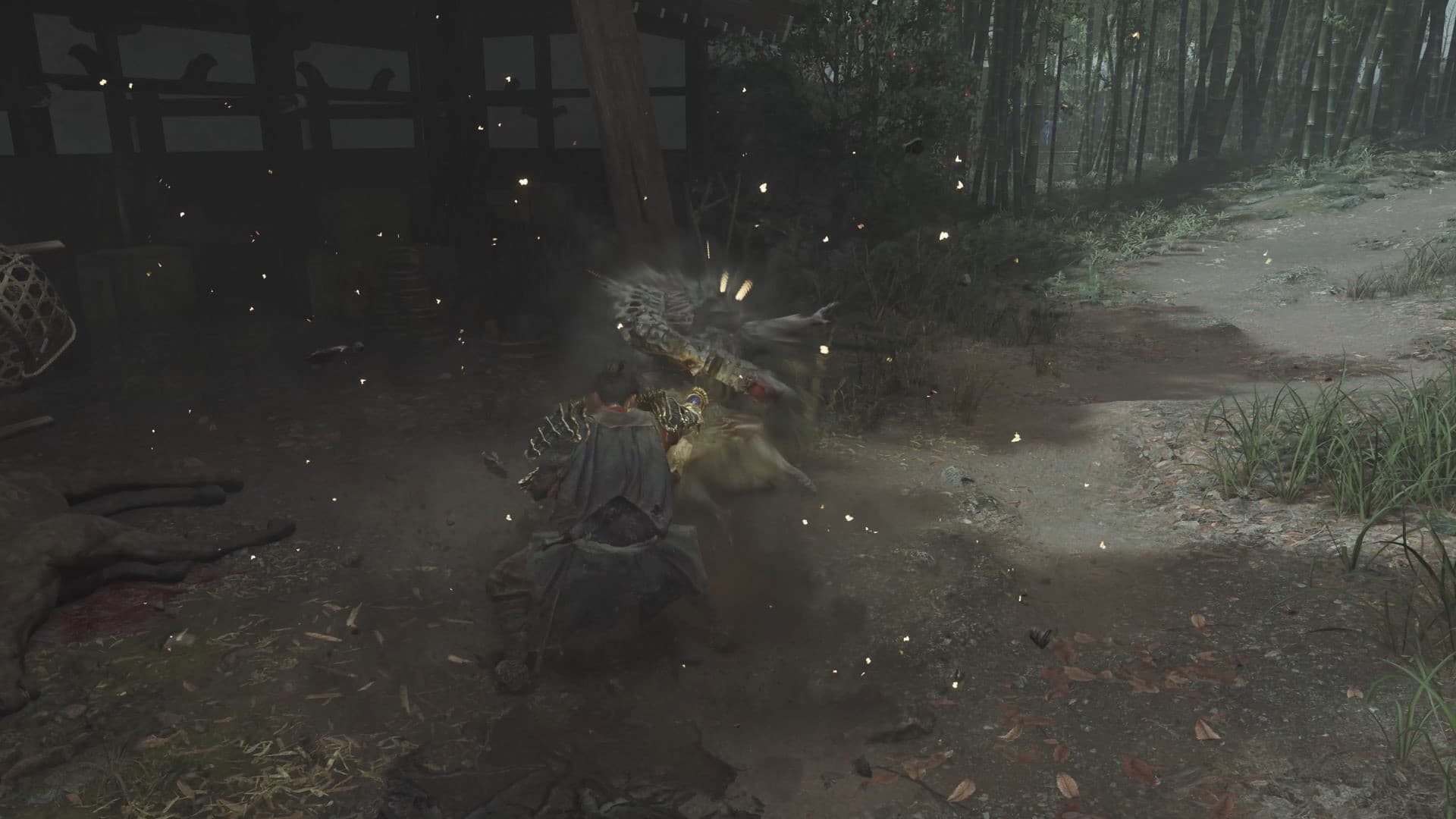
At Sasaki Ganryu, spend the first exchanges observing. The official hands-on reports describe a fast opponent and recommend Parry and stamina pressure through Deflect. If the duel becomes overwhelming, return to the earlier practice loop instead of searching for an invented weakness. The current evidence supports a timing-and-stamina plan, not a guaranteed phase script.
The demo does not transfer story progress, so repetition has no campaign cost. Keeping its save still qualifies for the announced Kubi Akari charm in the full release. That makes practice useful in two ways: it develops familiarity now and preserves the official save-data reward for September 4.
Settings that remain unconfirmed
The checked sources do not provide a complete accessibility menu, exact Action Guide toggles, damage values by mode, timing-window changes, adaptive difficulty rules, or confirmation that every option can be changed after starting. They also do not establish whether trophies or rewards depend on a mode. Any page claiming those details today would be filling gaps with assumptions.
Platform behavior may also differ. Official hands-on coverage supplies a PS5 control reference, while Xbox and PC players should use the prompts in their own build. Control remapping, keyboard presets, haptic feedback options, and performance modes need direct platform evidence before they become rows in a settings table.
This guide can expand when current-build evidence records the exact menu wording, where each option appears, whether it can change mid-save, and a reproducible account of its effect. With the checked evidence, the verified decision is simple: Story Mode favors approachability, Action Mode targets experienced action players, and the Action Guide offers additional challenge tuning without a fully documented specification.
This page distinguishes verified facts from details that Capcom has not yet announced. Source checks are dated so launch information can be reviewed when official listings change.