Miyamoto Musashi at the center
Capcom identifies Miyamoto Musashi as the protagonist of Onimusha: Way of the Sword. The official premise places him in early Edo-era Kyoto on a path shaped by swordsmanship, the Oni Gauntlet, and the arrival of the Genma. This wiki treats those published story points as a foundation rather than an invitation to rewrite historical biography into game canon.
The Musashi page gathers what the current listings actually say about his role and journey. It also explains which questions remain open, including many relationships, motivations, and later-campaign events that cannot be known from the demo or marketing overview alone.
Musashi's voice and face-model credits
Capcom's official PlayStation Blog introduction names Kenichiro Thomson as the voice of Miyamoto Musashi. That confirmed performance credit should sit beside, not be replaced by, the better-known likeness credit. The source does not turn Thomson into the character's face model or establish every localized voice performer, so each role still needs its own precise label.
The same announcement identifies the late film actor Toshiro Mifune as the face model for this rendition of Musashi. Face model describes the visual likeness; it does not mean Mifune supplied the voice, recorded new dialogue, or performed motion capture. The dedicated credit page preserves that distinction while the Musashi page collects the character facts players need.
The Oni Gauntlet and absorbed souls
The Oni Gauntlet connects the story premise to the combat loop. Official descriptions state that it grants Musashi supernatural power and can absorb souls left by defeated Genma. Demo coverage further connects collected souls to Oni Armament and recovery choices, giving the system both offensive and resource-management importance.
The mechanics page explains that verified relationship without publishing a complete upgrade tree, soul economy, or ability count. Those broader systems have not been fully documented. Readers can move from the lore entry into the combat guide when they want the practical context for Oni Armament.
Confirmed characters and revealed foes
Miyamoto Musashi is the protagonist, while Sasaki Ganryu is officially described as his rival, another bearer of an Oni Gauntlet, an Onimusha, and the boss at the end of the demo. Those labels establish a real character relationship without supplying the pair's complete history, every later encounter, or the outcome of their conflict. The wiki therefore links Ganryu's playable demo fight to a focused strategy page instead of inventing a full biography.
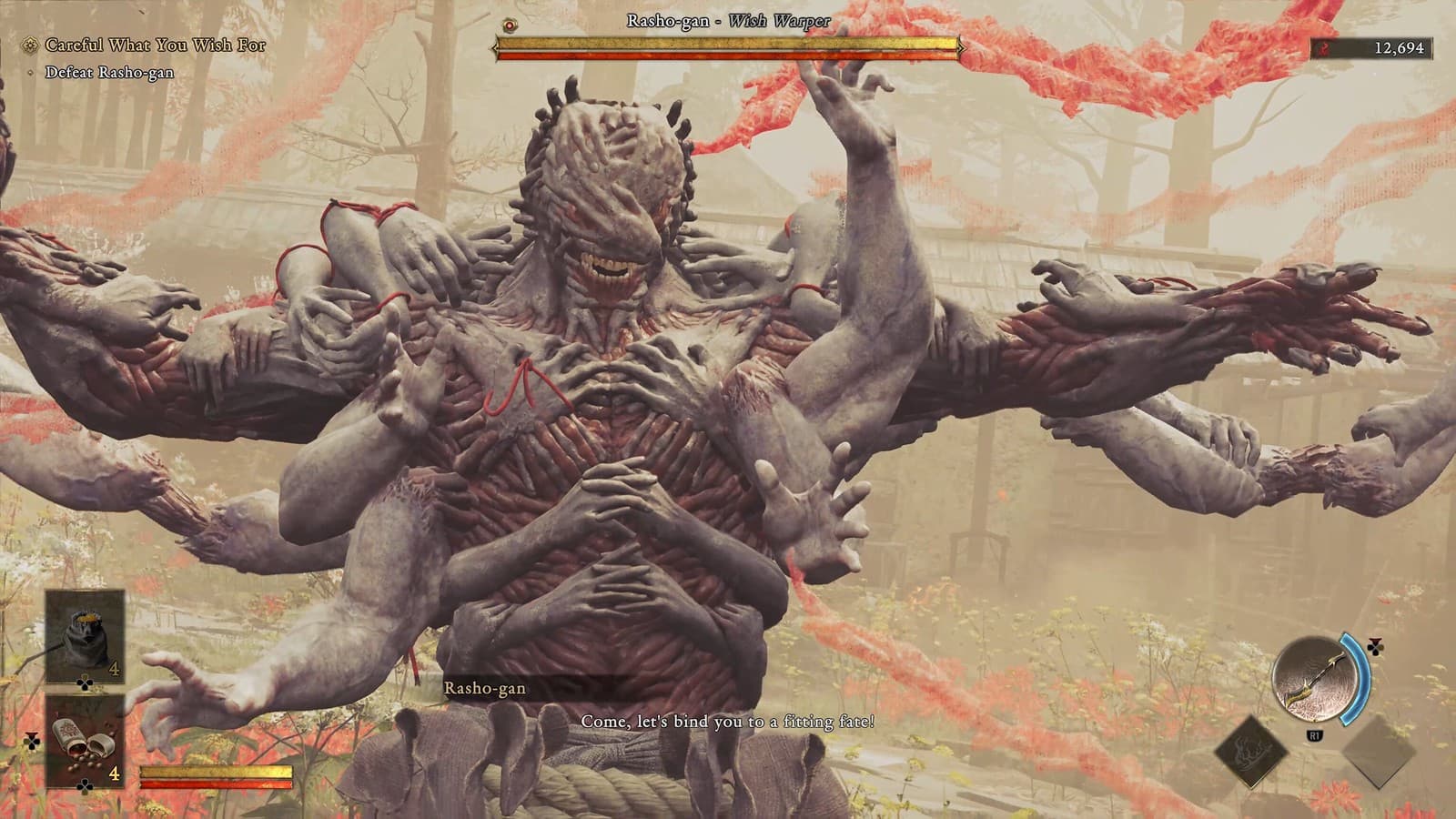
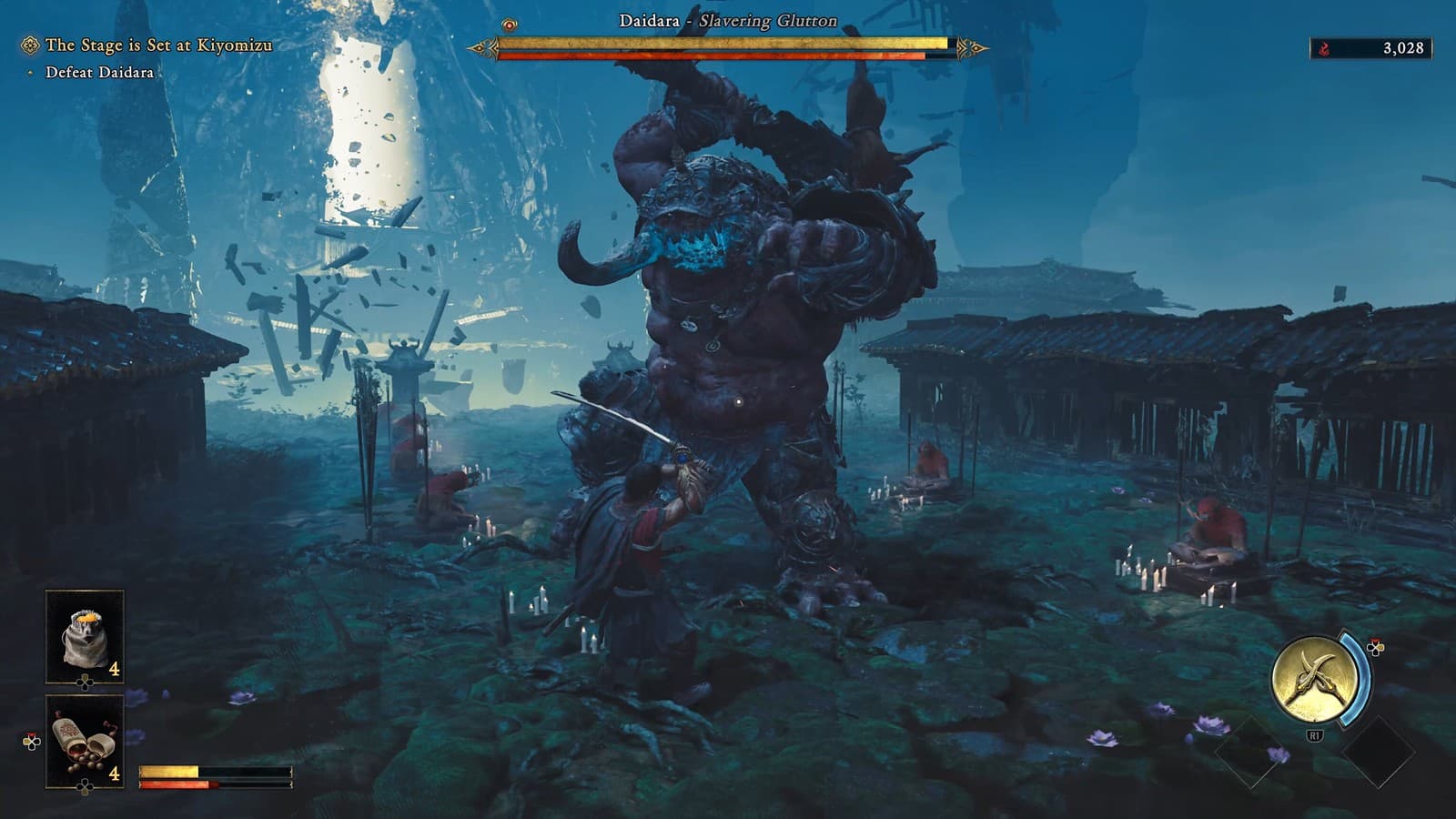
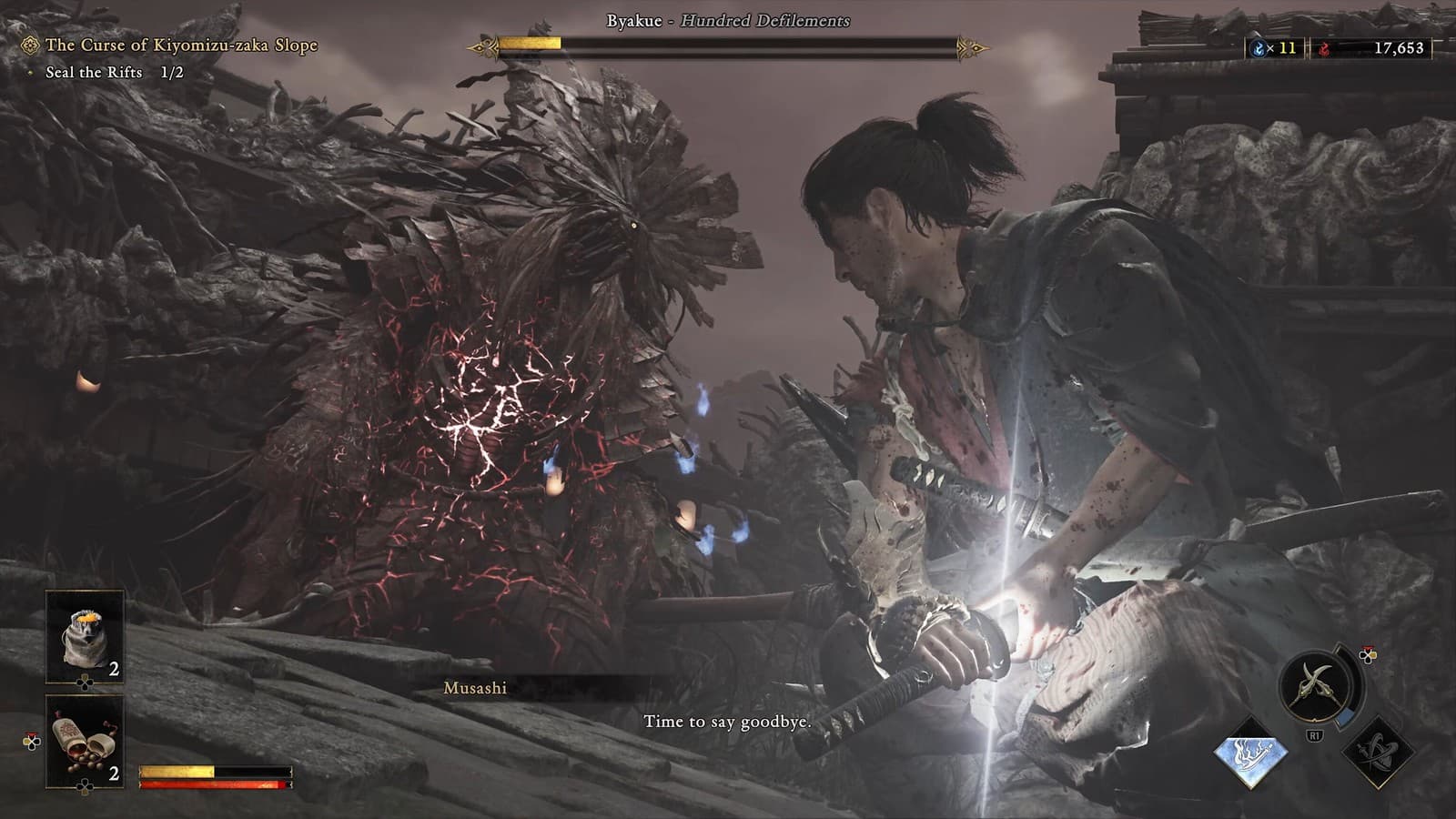
Official previews name several further foes. Shuten Doji is a colossal Genma occupying Mount Oe. Rasho-gan is a many-armed monster posing as a deity at Yasui Konpiragu Shrine and twisting the wishes of visitors. Daidara can consume souls Musashi has not absorbed, while Byakue becomes more ferocious as its own blood covers it. These disclosed traits help players recognize the threats, but they do not support a complete boss order, health table, weakness chart, or final bestiary.
Kyoto between history and dark fantasy
The announced setting is an early Edo-era Kyoto transformed by supernatural Malice. Kiyomizu-dera appears in the demo material, and Mount Oe is another confirmed location in official coverage. These real place names give the game a historical frame, but the events, distortions, and monsters belong to Capcom's fiction.
The setting page keeps those layers separate. It can describe what the official game presents and identify named locations, but it does not claim that every building, route, costume, or event is a historical reconstruction. That boundary makes the wiki more useful to players and less likely to spread invented lore.
What this source-led archive refuses to invent
A marketing trailer can show a person, creature, weapon, or place without naming it or explaining its full role. Visual presence alone is not enough to create a canonical name, relationship, boss order, biography, or numerical mechanic. The archive therefore uses the terminology attached to Capcom and official platform text, and it leaves unnamed material unnamed.
That restraint also applies to historical interpretation. Musashi and Mifune are real cultural figures, but the game is a supernatural work of fiction. The wiki can identify Mifune's confirmed face-model credit and Musashi's announced role while avoiding claims that every scene represents documented history. New lore entries should wait for explicit text or reproducible released-game evidence.
This page distinguishes verified facts from details that Capcom has not yet announced. Source checks are dated so launch information can be reviewed when official listings change.