Official footage
See the verified material
These official previews are included as visual context. Press play to load the privacy-enhanced player.
Capcom calls it Swordplay Action
The official PlayStation listing and publisher material describe Onimusha: Way of the Sword as a single-player Swordplay Action game. That wording is the clearest available classification because it comes from the companies presenting the product, not from a visual comparison or a community tag. This guide therefore uses Swordplay Action as the primary genre and treats Soulslike as a question players are asking, not a confirmed label.
Genre language can still be useful without becoming absolute. A player who asks whether the game feels Soulslike may be asking about timing, bosses, checkpoints, death penalties, builds, or difficulty rather than demanding a store category. The answer should identify which of those systems are actually documented and which remain unverified in the checked sources.
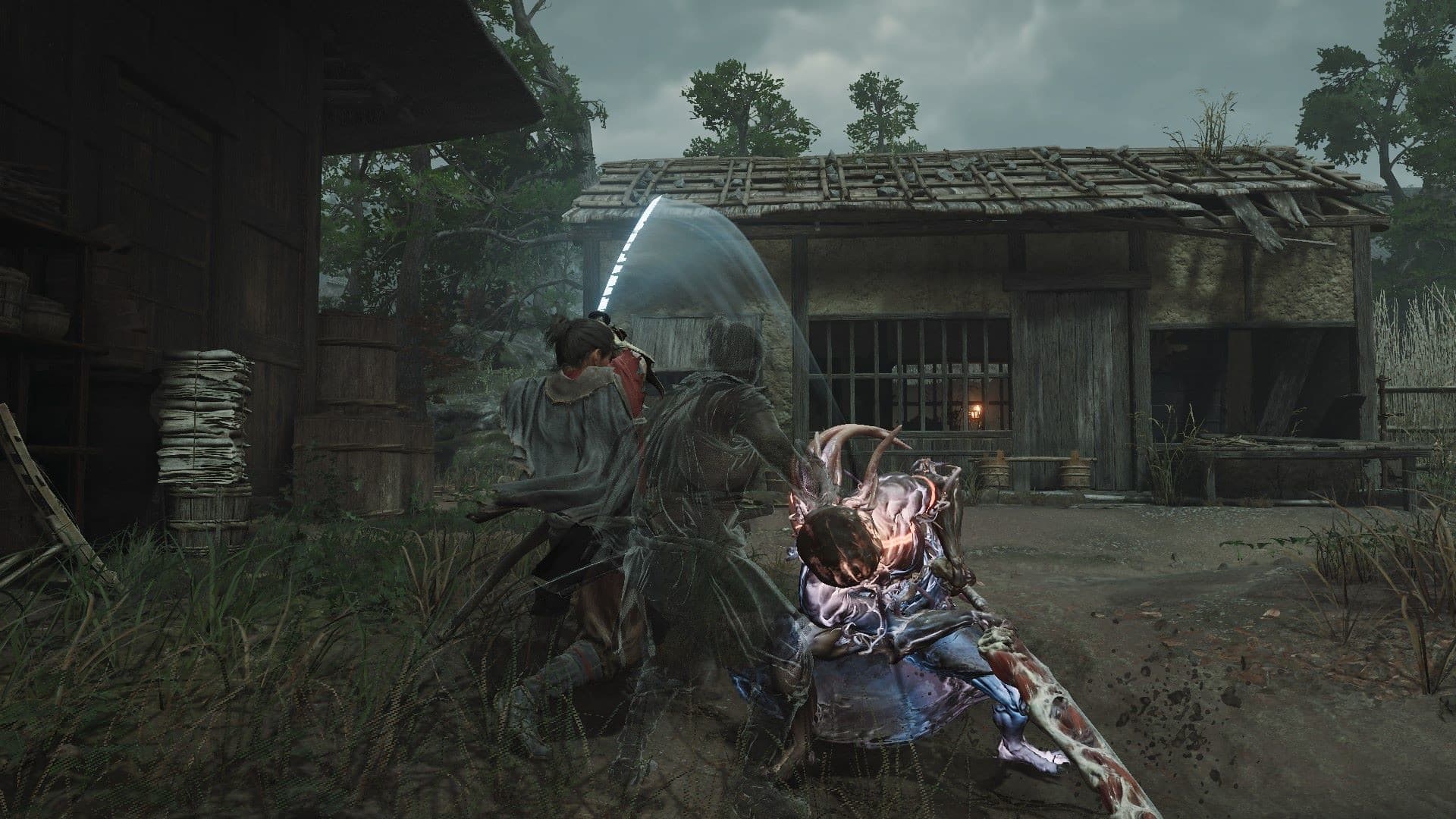
The free demo gives players a better basis for that personal judgment than a tag alone. It covers an early Kiyomizu-dera sequence, demonstrates the defensive mechanics, and ends with Sasaki Ganryu. It is a limited slice, so its pacing and encounter density should not be treated as proof of the complete campaign structure.
How comparisons with other samurai action games help
Players comparing Onimusha with other well-known samurai action games are usually asking about combat rhythm, counter timing, difficulty, exploration, or punishment—not whether the titles share a publisher label. Here, combat asks the player to read incoming attacks and distinguish among Parry, Deflect, and Issen. Deflect applies pressure to enemy stamina, while Issen rewards precise timing. The demo's Ganryu duel makes those decisions visible in a demanding one-on-one encounter. Those verified traits explain the comparison without turning another game's design into evidence about this one.
Resource management strengthens the resemblance at a distance. Musashi's Oni Gauntlet absorbs souls left by defeated Genma, and those souls support supernatural options including Oni Armament. The final preview also describes equipment upgrades and abilities unlocked through resources found while exploring. None of that, by itself, proves a specific genre formula; many action games combine counters, resources, upgrades, and bosses in different ways.
The most accurate shorthand is that the game has deliberate timing and resource choices inside a faster swordplay framework. That sentence describes confirmed characteristics without promising that progression, punishment, checkpoints, or world structure will mirror another series. Players who care mainly about feel can test the demo and decide whether its rhythm suits them.
Difficulty is designed to be selectable
Official developer material confirms Story Mode and Action Mode. Action Mode is aimed at experienced action players, while Story Mode offers a different starting point. The same source set describes an Action Guide that can tune the challenge. Those choices matter because they argue against treating one severe difficulty level as the game's defining identity.
The developers explicitly say they are not following an impossibly difficult action trend. That does not mean every encounter will be easy. Ganryu is still presented as a fast skills check, and later previewed enemies can pressure positioning and resources. It means the published design intent includes ways for more players to engage with the combat rather than making extreme difficulty the only promise.
Exact assist toggles, whether every setting can change at any moment, and how the current build balances each mode are not fully documented in the checked sources. The separate difficulty guide organizes what is confirmed and leaves those interface details open. A source-led page should not invent a complete options menu from one interview.
Souls mean Oni power here
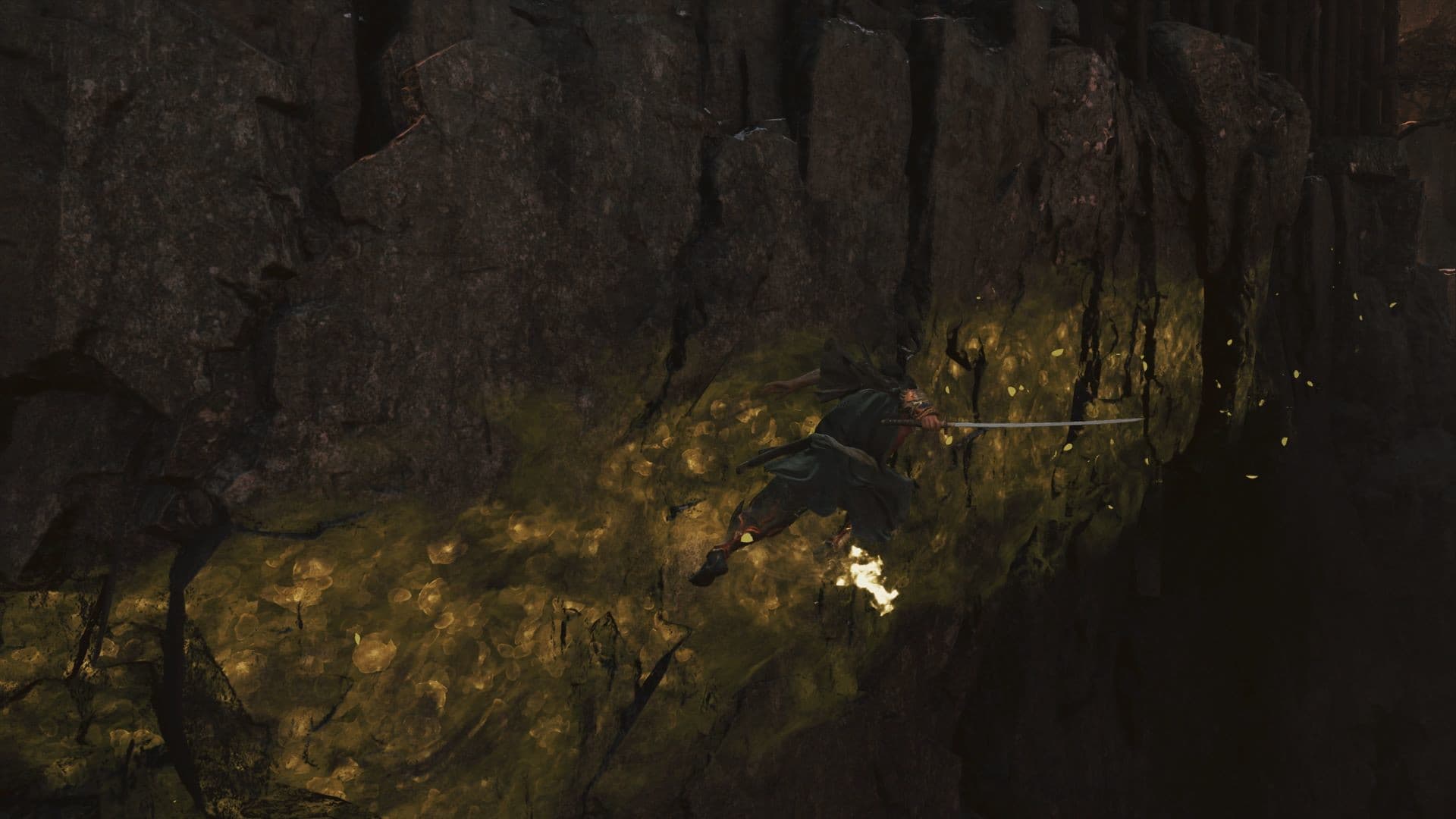
The word souls has a direct Onimusha meaning. Defeated Genma can leave souls for the Oni Gauntlet to absorb, connecting combat victories to recovery and supernatural power. In the demo, Oni Armament demonstrates one reason to pay attention to that resource. Later preview material adds an enemy that can consume unabsorbed souls, making collection timing part of the encounter pressure.
That mechanic should not be confused with an unconfirmed death system. The official material checked for this page does not establish that the player drops accumulated currency on death, must retrieve it from a defeat location, or permanently loses it after another failure. Those are common ingredients in some genre definitions, but they cannot be imported into this game without evidence.
The safest way to understand the resource is to follow the live demo tutorial: defeat Genma, secure the exchange, absorb when it is safe, and observe what becomes available. That gives a factual picture of the Oni loop. It does not require a broader genre assumption or a fake numerical economy.
What the official previews do not confirm
No checked source confirms a corpse-run system, a universal resource-loss penalty, checkpoint rules, fixed character builds, stat allocation, online invasions, or a complete equipment-weight system. Some of those features may be absent, and others may simply be undisclosed. Until reproducible current-build evidence is documented, both yes and no claims would be guesses.
The world structure also needs careful language. The August final preview shows missions flowing into a larger Kyoto area with a base, objectives, barriers, and spaces that open as progress is made. It does not call the game fully open world. A larger explorable area can coexist with directed missions and temporary boundaries, so it should not be used as a shortcut to another genre label.
Likewise, a difficult boss in a demo cannot establish the challenge curve for an entire campaign. Ganryu is useful evidence about timing and stamina, not proof that every fight follows the same duel structure. Later enemies shown in official previews have distinct resource and environmental pressures, suggesting variety without revealing a final taxonomy.
Use the demo to answer the feel question
Play the demo with three observations in mind. First, decide whether reading and timing attacks feels rewarding. Second, compare Parry's counter opportunity with Deflect's stamina pressure. Third, see whether absorbing and spending souls adds welcome decision-making or distracts from the sword exchange. Those experiences answer more about personal fit than a disputed category name.
Do not force mastery on the first run. Use ordinary enemies to learn one cue, then take that process into Ganryu. If precision counters are frustrating, try the available defensive options and consult the game's prompts before concluding that only one high-risk technique works. The full game also has confirmed mode choices that the short demo may not represent completely.
The verdict today is therefore specific: officially, this is Swordplay Action, not a publisher-labeled Soulslike. It shares enough visible ideas for the comparison to be understandable, while key defining systems remain unconfirmed. This page should be updated when reproducible current-build evidence documents checkpoint, death, progression, and difficulty behavior rather than relying on community shorthand alone.
This page distinguishes verified facts from details that Capcom has not yet announced. Source checks are dated so launch information can be reviewed when official listings change.